
SGL Esthétique Geneva
Microneedling or fractional radiofrequency: what are the differences?
Microneedling and fractional radiofrequency: understand the differences, possible indications, recovery and precautions before a consultation in Geneva.
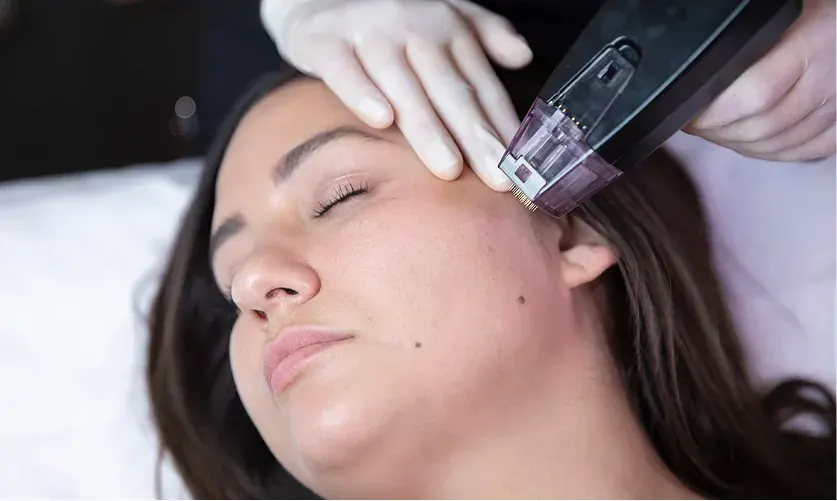
Microneedling and fractional radiofrequency microneedling are sometimes placed in the same category because both use very fine needles. However, they do not deliver the same energy into the skin. Conventional microneedling creates controlled microperforations. A radiofrequency microneedling device combines these with thermal energy. This difference changes the treatment parameters, the possible after-effects and the questions to ask during a consultation.
Neither should be chosen solely on the basis of a photograph or a device name. Uneven texture, visible pores, acne scars, skin laxity and pigmentation do not have the same causes or the same expected response. A skin examination and the skin phototype matter when choosing a protocol.
Conventional microneedling
Microneedling uses a device fitted with fine needles to create microchannels at a controlled depth. The procedure is performed in a medical setting with an appropriate indication and parameters. Publications focus in particular on certain acne scars and on skin texture goals. They do not mean that one session will erase every irregularity or that fragile skin can be treated without precautions.
The practice presents microneedling in Geneva among its skin quality treatments. The depth, number of passes and any products used alongside it are medical decisions. A device used at home does not reproduce the same conditions of asepsis, depth or follow-up.
When radiofrequency is added to microneedles
Fractional radiofrequency devices deliver thermal energy through microneedles. The aim may be to address certain aspects of texture or firmness, depending on the device and its settings. Morpheus8 is one of the well-known names in this category, but a brand name does not replace an explanation of the procedure actually being proposed.
Heat is also an additional reason to assess the skin phototype, skin history and risk of pigment changes or burns. Studies show that effects and safety vary according to the devices, settings and people treated. The practice’s Morpheus8 page describes its approach; the article about Morpheus8 provides further information about the device.
What is the actual goal?
Before comparing two devices, the area and main concern need to be specified. A depressed acne scar, sun-damaged skin and mild laxity are not treated in the same way. Skin that is still inflamed, an active infection or a tendency towards pigmentation disorders may lead to postponing or changing the plan. In some cases, another treatment or no procedure is the most cautious choice.
The practitioner can explain why they propose one of the techniques, what it may reasonably improve and what it will not correct. For example, a texture treatment does not replace specific management of a suspicious pigmented lesion or a deep scar. This distinction helps protect against overly broad promises.
Possible after-effects and recovery time
Redness, warmth, tenderness and temporary swelling may follow either procedure. The exact after-effects depend on the depth, the energy used and the skin. Less common adverse effects, including changes in pigmentation or scarring, should be discussed before treatment. Ask which instructions for cleansing, sun protection and resuming skincare apply to your situation.
The date of a personal event is not a good reason to rush a protocol. If visible recovery would be inconvenient, say so during the consultation. It is better to choose a realistic schedule than to expect an immediate result with no after-effects from a more intensive procedure.
How many sessions?
There is no universal number. Studies use different indications and protocols, and individual responses vary. Before starting, ask how the doctor will assess progress and when they will suggest continuing, changing or stopping. Photographs taken under consistent conditions may help, without promising a dramatic “before and after”.
The decision also takes account of the overall cost, acceptable recovery time and availability for follow-up. An additional procedure is not an end in itself: it must address a defined goal.
Frequently asked questions
Is radiofrequency necessarily more effective?
No. It adds a form of energy, but its value depends on the concern being treated, the device, the settings and the skin. More intensive does not mean better for everyone.
Is microneedling suitable for every skin type?
The indication and parameters vary according to the skin phototype, medical history, skin condition and current treatments. A medical assessment is necessary.
Can the two be combined?
A combination is not automatically useful. The goal of each session, the interval and the expected benefit need to be clarified before adding techniques.
What should you ask before making a decision?
Ask for the device name, the reason for choosing it, the likely after-effects, the risks relevant to your skin and how the result will be assessed. A clear proposal should be understandable without technical vocabulary.
Making an informed choice
A good consultation considers your skin, your expectations and the recovery you are willing to accept together. If you would like to know which technique makes sense for you, you can book an appointment for an individual assessment.
Sources to check during medical validation
- Clinical review of microneedling: https://pubmed.ncbi.nlm.nih.gov/28796657/
- Review of radiofrequency microneedling safety across skin phototypes: https://pubmed.ncbi.nlm.nih.gov/36826381/
About the illustration
Morpheus- Skin Rejuvenation by Dr.Marwah — Drsiddharthsen. CC0 1.0. Cropped, resized and converted to WebP. Illustration only: this image does not show an SGL patient or treatment result.

Initial consultation
Dedicated time to understand your needs, check the indication and define the most suitable plan.